
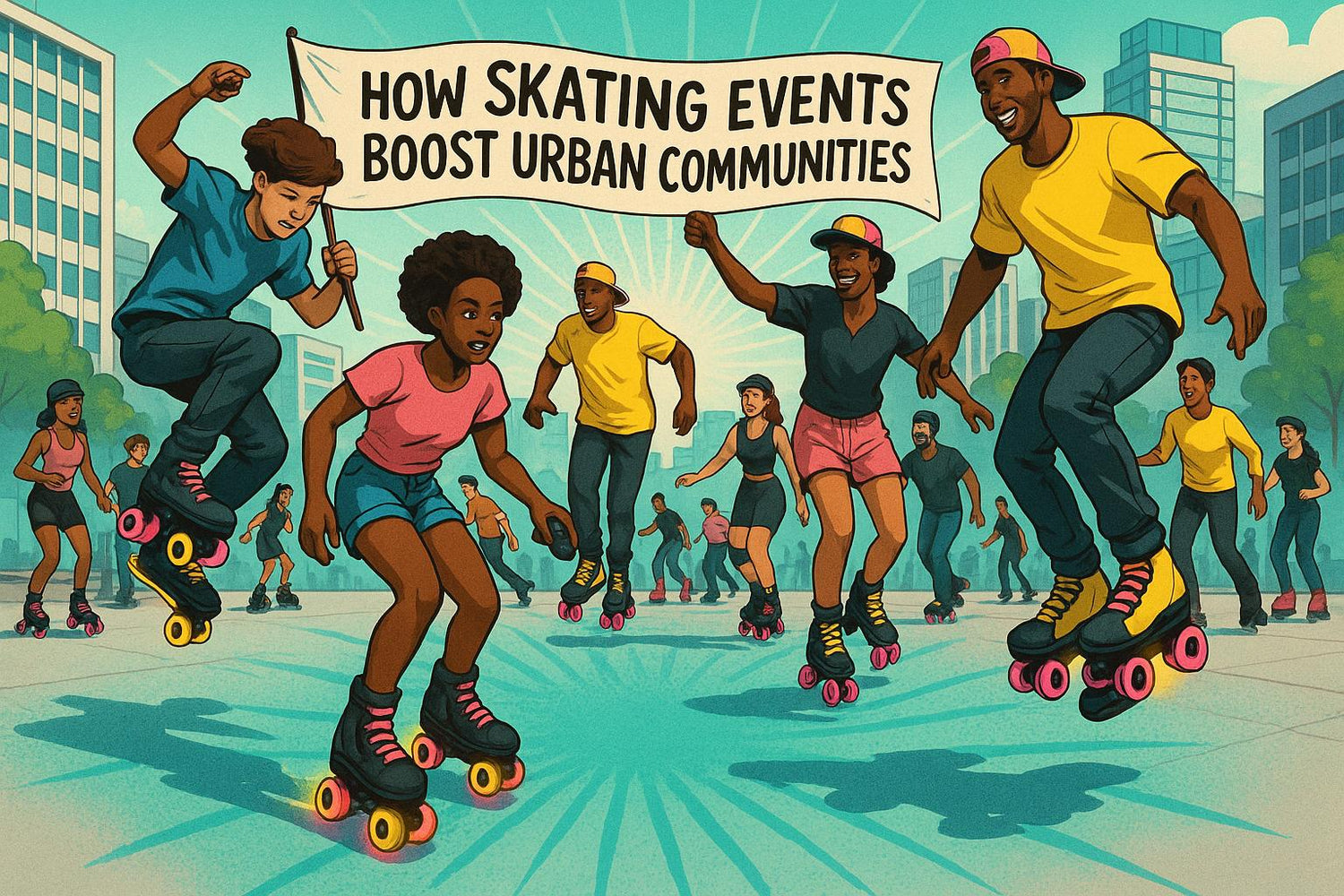
Skating events are transforming urban spaces into vibrant community hubs. These gatherings - ranging from group rides to park meetups - bring people together, promote physical activity, and reimagine how cities use public spaces. By encouraging social interaction, offering opportunities for underrepresented groups, and introducing innovations like electric roller skates, skating events are reshaping mobility and fostering stronger connections between residents.
Key Takeaways:
- Social Impact: Skating events build bonds between people of all ages and backgrounds, with experienced skaters mentoring newcomers and fostering a sense of belonging.
- Inclusivity: Women, LGBTQ+, and minority-led skating groups create welcoming spaces, challenging traditional stereotypes.
- Urban Revitalization: Skating events turn underutilized areas into lively spaces, attracting tourism and redefining public perceptions of skating.
- Health Benefits: Skating improves cardiovascular health, reduces stress, and encourages long-term active lifestyles.
- Mobility Solutions: With devices like electric roller skates, skating events demonstrate eco-friendly, practical alternatives to car travel.
These events are not just about recreation - they provide cities with a way to connect people, promote active transportation, and breathe new life into urban environments.

How Skating Events Impact Urban Communities: Key Statistics and Benefits
How Skating Events Build Social Connections
Social Bonding at Skating Events
Skating events have a unique way of bringing people together. Experienced skaters often take the lead, helping beginners learn the ropes - whether it’s mastering balance, figuring out how to brake, or nailing that first turn. This peer-to-peer teaching is at the heart of skating culture, where every fall and triumph becomes part of a shared experience.
Interestingly, over 75% of skateboarders document their sessions with photos or videos, and about 60% dive into creative outlets like music or art. These hobbies often blend with skating, sparking collaborative projects that strengthen friendships. Skating also fosters intergenerational connections, with older skaters mentoring younger ones. This dynamic creates an atmosphere of mutual respect and inclusivity. For teens and young adults who don’t participate in traditional team sports, the consistent and welcoming routines of skating offer a sense of belonging and help combat loneliness.
The communal nature of skating - whether it’s spotting tricks, sharing gear, or simply cheering each other on - turns skateparks into natural hubs for social interaction. Events like regular skate nights and park jams transform fleeting encounters into meaningful relationships. In working-class neighborhoods like Franklin, Michigan, some young skaters even describe their local skatepark as "home", highlighting how these spaces evolve into beloved community landmarks. These organic social connections set the stage for events designed to include underrepresented groups.
Creating Spaces for Underrepresented Groups
While skating naturally fosters social bonds, thoughtfully planned events can ensure these spaces are welcoming for women, LGBTQ+ individuals, and racial minorities. Women-led skate groups, for instance, focus on creating safe and respectful environments, helping to break down the intimidation often felt in male-dominated spaces. Many parks have been shaped by teen girls organizing low-cost, safe skating spaces through events and fundraisers. Sessions specifically for women or girls often feature smaller groups, dedicated time slots, and peer mentoring, all of which encourage participation and build confidence. Cities across the U.S. can adopt these strategies by scheduling women-focused sessions, establishing clear codes of conduct, and spotlighting women leaders as instructors.
For LGBTQ+ skaters, DIY events can feel more welcoming than traditional sports when they’re intentionally designed to be inclusive. Queer skate meetups and "pride skate" events use affirming language, visible symbols like flags, and peer-led norms to create spaces where participants can skate freely without hiding their identities. These gatherings often favor noncompetitive formats, encouraging creativity and expression - especially for LGBTQ+ youth who might feel excluded from mainstream sports. Partnering with local LGBTQ+ organizations during planning can further ensure that these events are genuinely inclusive.
Skating events also provide a powerful platform for racial and ethnic minorities. They offer a space to build positive identities, develop leadership skills, and connect with supportive peer networks. In Nairobi’s Kayole neighborhood, grassroots groups have created DIY skateparks, collaborated with NGOs to provide gear, and organized sessions that double as informal social programs. These efforts challenge traditional ideas about public spaces while strengthening community ties. In the U.S., hosting high-profile events in historically underserved areas - where local youth are involved as co-organizers and performers - helps redefine these neighborhoods as vibrant centers of creativity and connection. Programs supported by the Tony Hawk Foundation have even empowered young skaters to move from being ticketed for street skating to working with city councils, attending planning meetings, and helping design skate facilities. These efforts not only build skateparks but also foster civic engagement and elevate youth as key community contributors.
How Skating Events Transform Urban Spaces
Bringing Public Spaces to Life
Skating events have a knack for turning overlooked urban areas into lively community hubs. When streets are closed for skate parades or temporary ramps pop up in empty plazas, these spaces shift from being mere pathways to energetic gathering spots. This transformation not only brings people together but also creates a safer environment with more activity and "eyes on the street".
Take the City of Sault Ste. Marie in Ontario, for example. City planners projected that a regional skatepark would pay for itself in just three years, thanks to the boost in tourism and overnight stays it would generate. Similarly, Little Current, a small town, saw its skatepark attract more overnight visitors, including boaters and families, which translated into increased local spending.
These temporary events often inspire lasting change, leading to projects like protected bike lanes, parklets, or permanent skate features. Spaces once dominated by cars or left unused are reimagined as vibrant, people-centered areas. The result? A new way of looking at urban spaces and skating itself, fostering fresh social interactions and community connections.
Changing Public Attitudes Toward Skating
As these spaces come alive, so do public perceptions of skating. Skating events play a significant role in reshaping attitudes. When people see families, women, and beginners sharing these spaces respectfully and even mentoring one another, old stereotypes of skaters being unruly or destructive start to dissolve. Inclusive settings like this have a way of shifting opinions in a way that words alone can't.
Local parks and recreation departments have noticed these changes firsthand. In some cases, seniors who initially opposed skate facilities due to noise concerns ended up becoming regular spectators after attending opening events. Programs that welcome everyone - through beginner clinics, family-friendly activities, and volunteer-led initiatives - help integrate skate culture into neighborhoods. Some events even go a step further by incorporating community service, like neighborhood cleanups, which reinforces the image of skaters as active contributors to their communities.
Cities embracing modern mobility options can also showcase how innovative solutions, like Wheelfeet's electric roller skates (https://wheelfeet.com), can work seamlessly alongside traditional skating and walking. These efforts highlight how reimagined public spaces can accommodate diverse forms of movement while fostering a sense of community.
Health and Mobility Benefits of Skating Events
Physical and Mental Health Gains
Skating events provide a great way to stay active while reaping both physical and mental health benefits. According to the American Heart Association and CDC, inline and roller skating are classified as moderate to vigorous physical activities, burning anywhere from 6 to 14 calories per minute, depending on intensity. That’s similar to the calorie burn from brisk walking or light jogging. Regular participation can lead to improvements in cardiovascular health, balance, coordination, and lower-body strength, especially during events that keep participants active for 60–120 minutes rather than short bursts.
For many, skating offers more than just physical exercise - it’s a way to relieve stress and connect with others. Skaters often describe these sessions as "therapy-like" experiences that help reduce feelings of isolation. The focused and rhythmic movements can create a flow state, which helps ease daily worries, while the social aspect of skating events builds self-esteem and emotional well-being. Inclusive formats, such as women-only clinics, LGBTQ+ meetups, and family-friendly rides, further enhance a sense of belonging and psychological safety, both of which are key to improving mental health through physical activity.
These events also encourage long-term lifestyle changes. Many participants find themselves incorporating skating into their weekly routines after exploring new parks, routes, or local skating groups. In cities that invest in recurring skating events and supportive infrastructure, there’s often an increase in park usage and informal group rides, showing how these events can inspire habitual exercise. This shift toward regular activity contributes to a broader movement toward active transportation.
Supporting Active Transportation
Skating events don’t just benefit individuals - they also play a role in transforming urban mobility. These events highlight how trips of 1–5 miles can be completed without relying on a car, aligning with initiatives like Vision Zero, Complete Streets, and micromobility policies being adopted in U.S. cities. By blending recreation with practical mobility, skating events attract people who may not initially see themselves as commuters. After participating in safe group rides, many start using skates for errands, campus travel, or connecting to public transit for the first or last mile.
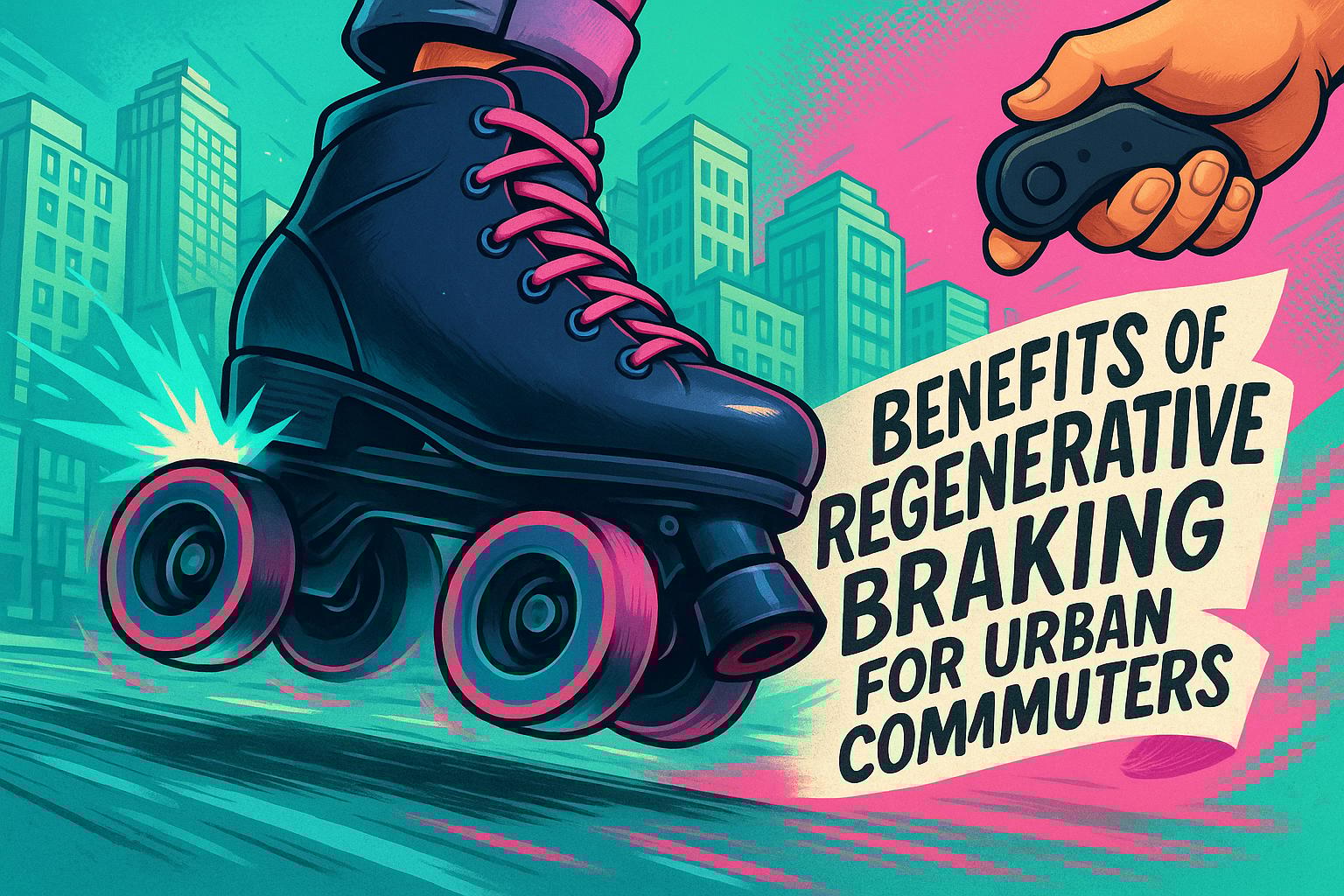
Devices like Wheelfeet's electric skates (https://wheelfeet.com) are also making skating more accessible. With powered assistance, adjustable speed settings, regenerative braking, and a lightweight design, these skates make it easier for riders to tackle inclines and extend their range. This technology is especially helpful for older adults, beginners, and those with tight schedules. Events that feature electric skates in demo zones or guided rides help introduce them as a practical and eco-friendly commuting option, while still requiring balance and physical effort. By offering inclusive routes and mixed-speed lanes, skating events cater to both newcomers and experienced skaters. Safety briefings ensure that powered and non-powered skaters can share routes without issues, making these events welcoming and safe for everyone.
sbb-itb-bf837b9
Design and Policy Recommendations for Skating Events
Designing Multi-Use Public Spaces
Cities should incorporate skate-friendly features into everyday urban spaces. Studies show that elements like sturdy ledges, low banks, and rails can double as seating and gathering spots while catering to skaters' needs. This "skate dots" concept involves adding small, durable skate features in plazas, waterfronts, and underutilized areas to encourage informal meetups and events.
The choice of materials plays a big role. Using reinforced concrete and metal edging reduces maintenance costs and withstands heavy use. Smart design also includes clear sightlines, smooth surfaces, and zones that allow skaters, pedestrians, and others to share the space safely. Adding amenities like lighting, restrooms, seating, shaded areas, and access to transit can make these spaces inviting for both daily use and large events. In the U.S., incorporating Complete Streets principles and meeting ADA accessibility standards ensures these areas are inclusive, accommodating skaters, walkers, wheelchair users, and cyclists alike.
By prioritizing thoughtful design, cities create a strong foundation for hosting successful skating events.
Event Programming and Management
Once the spaces are in place, structured programming can bring them to life. Regular events help build community connections. Successful programs often include open skate sessions, beginner clinics, and dedicated times for underrepresented groups to encourage broader participation.
Collaboration is key. Partnering with local skate groups, youth leaders, and businesses can improve event planning, maintenance, and conflict resolution. These partnerships help define responsibilities for permits, scheduling, insurance, and safety through formal agreements. On-site, peer mentors and volunteer marshals from the skateboarding community can manage crowds and promote proper etiquette more effectively than strict enforcement.
For powered devices like Wheelfeet's electric skates (https://wheelfeet.com), organizers should enforce speed limits and schedule specific demo sessions to ensure traditional and electric skaters can safely share the space.
To improve future events, organizers should gather data on attendance, participant demographics, incident reports, and community feedback. Tying skating events to broader goals - like reducing car use, enhancing youth wellness, and revitalizing downtown areas - can also open up funding opportunities from transportation and public health programs.
BIG APPLE ROLL - New York City's Annual Inline Skating Event, Documentary
Conclusion
Skating events have a way of bringing urban spaces to life. They transform empty lots, plazas, and waterfronts into lively hubs where people of all ages and backgrounds come together. Whether it’s through sharing skills, mentoring newcomers, or simply enjoying the experience, these gatherings build strong social bonds and create lasting friendships. Beyond the social aspect, skating offers a fun, accessible way to stay active and manage stress - especially for young people who might not be drawn to traditional team sports.
On top of that, skating plays a role in promoting greener ways to get around. Group rides showcase how traveling without a car can be safe, practical, and enjoyable. And with innovations like electric roller skates from Wheelfeet, more people can join in, regardless of physical ability. These skates also provide an eco-friendly solution for quick trips and errands, making them a smart addition to urban mobility options.
Cities can take these benefits even further by weaving skating into their park plans, youth programs, and climate strategies. Collaborating with companies like Wheelfeet to host demo sessions or safety workshops can introduce more residents to electric skating while gathering valuable feedback for future infrastructure projects. Treating skating events as opportunities to test ideas for public spaces and mobility systems can lead to long-term rewards: healthier communities, stronger social ties, revitalized neighborhoods, and a shift toward active or electric transportation over car use. Skating isn’t just about fun - it’s a powerful way to build more connected, vibrant, and forward-thinking cities.
FAQs
How do skating events create inclusive spaces for diverse communities?
Skating events create welcoming spaces where people of all ages, genders, and backgrounds can come together for a shared activity. They provide an opportunity for individuals to connect, fostering a sense of belonging and encouraging meaningful social interactions. This is especially valuable for those from underrepresented groups, as it helps them engage with others in their community.
By breaking down barriers and promoting the exchange of ideas and experiences, these events help strengthen community bonds while celebrating the rich diversity found in urban areas.
How do skating events benefit urban economies and communities?
Skating events can play a big role in giving a boost to urban economies. They attract visitors who spend money on meals at local restaurants, shop at nearby stores, and book stays in hotels. This influx of spending helps small businesses thrive and increases revenue across various sectors. Additionally, these events generate jobs in fields like event planning, retail, and tourism, which further supports local economic growth.
But the impact of skating events goes beyond just dollars and cents. They help build a sense of community by bringing people together in shared spaces. These gatherings encourage social interaction, promote healthier, more active lifestyles, and can even spark interest in improving urban areas and public spaces for the long term.
How can cities integrate skating into urban planning to enhance mobility and community engagement?
Cities have the opportunity to make skating a part of their urban landscape by designing dedicated skate lanes and adding skate-friendly elements to existing bike and pedestrian paths. This approach not only creates safer spaces for skaters but also encourages a more inclusive environment while supporting greener, more efficient transportation options.
Another way cities can embrace skating is by organizing community skate events. These gatherings bring people together, promote active lifestyles, and showcase skating as a fun, eco-conscious way to move around. Introducing electric roller skates, like those from Wheelfeet, can take this a step further by helping to ease traffic congestion and lower carbon emissions, making urban mobility more sustainable.
Related Blog Posts
- Micromobility’s Hidden Carbon Savings, Explained in 5 Simple Charts
- The "Last-Mile" Problem: Why the End of Your Commute is the Slowest (And How to Fix It)
- Beyond the Bike Lane: The Future of Personal Urban Transport
- Los Angeles Without Traffic: Beach-to-Downtown in 20 Minutes Using Smart Micro-Mobility

Leave a comment
All comments are moderated before being published.
This site is protected by hCaptcha and the hCaptcha Privacy Policy and Terms of Service apply.