

Electric roller skates are emerging as a practical solution for urban commuters. They address the "last-mile problem" by offering a portable, eco-friendly way to navigate cities. With speeds up to 15 mph, a range of 9 miles, and a price point of $599, these skates combine convenience with efficiency. Unlike cars or public transit, they eliminate parking hassles, reduce emissions, and fit easily into crowded urban spaces.
Key highlights:
- Speed & Range: Up to 15 mph and 9 miles per charge.
- Portability: Lightweight design; easy to carry and store.
- Cost: One-time investment of $599, avoiding recurring transit costs.
- Eco-Friendly: Zero emissions and highly energy-efficient.
Electric roller skates are reshaping urban mobility, offering a compact and efficient alternative for short commutes and city exploration.
Electric Roller Skates eRW3 Review
How Personal Urban Transport Has Changed
For much of the 20th century, American cities leaned heavily on cars, public transit, and bicycles to meet transportation needs. But as urban areas grew denser, these traditional options began to feel outdated and often inadequate. Many city dwellers grew frustrated with long commutes, traffic jams, and the impracticality of owning a car for simple, everyday tasks. This dissatisfaction sparked a search for better, more flexible ways to get around - leading to the rise of innovative solutions like electric roller skates.
Electric roller skates combine cutting-edge technology with a compact, user-friendly design, tackling some of the biggest challenges in urban mobility.
Problems with Traditional Urban Transport
Cars have long been the go-to for many commuters, but their downsides in crowded city environments are hard to ignore. Traffic congestion, limited parking, and high maintenance costs make them less appealing for urban living. Public transit, while widely available, often suffers from rigid schedules, overcrowding during peak hours, and limited reach.
Bicycles present another option, offering flexibility and zero emissions, but they come with their own set of challenges. Riding a bike can be physically demanding, especially over longer distances or hilly terrain, and finding secure storage can be a hassle in busy areas. Traditional scooters, though portable, aren’t always practical for extended use or in bad weather.
These limitations paved the way for micro-mobility solutions, which offer a fresh approach to navigating urban landscapes.
The Rise of Micro-Mobility Devices
Micro-mobility devices have stepped in to fill the gaps left by traditional transportation. Among them, electric roller skates stand out for their convenience and versatility. Their lightweight, compact design makes them easy to carry indoors, eliminating worries about parking or theft.
Take Wheelfeet’s electric roller skates, for example. They’re designed with urban commuters in mind, featuring a regenerative braking system for smooth stops and extended battery life. They also offer dual-mode functionality: use them as powered skates or switch to manual mode if the battery runs out. A wireless remote control allows riders to adjust speed and braking effortlessly while on the move.
These skates also align with the growing push for eco-friendly transportation. By cutting down on fossil fuel use, they provide a greener alternative for those looking to shrink their carbon footprint. Urban planners are increasingly focused on creating transportation networks that integrate micro-mobility options, and electric roller skates fit seamlessly into this vision. They can be used on sidewalks and bike lanes without requiring costly new infrastructure.
At $599.00, Wheelfeet electric roller skates offer a relatively affordable, one-time investment in personal mobility. They sidestep many of the recurring expenses tied to car ownership or public transit, making them a practical choice for modern urban commuters.
Technology Improvements in Electric Roller Skates
Electric roller skates have come a long way, making them a practical option for urban commuting. From more powerful batteries to smarter controls, these advancements have transformed them into reliable tools for daily travel. Here’s a closer look at how these devices have evolved.
Improved Batteries and Motors
At the core of any electric roller skate are the battery and motor - and both have seen major upgrades. Thanks to advancements in lithium-ion technology, modern batteries are lighter, more compact, and capable of storing more energy. They also last longer and charge faster, making them more convenient for daily use. For instance, Wheelfeet's electric roller skates can cover up to 9 miles on a single charge, reaching speeds of up to 15 mph - perfect for city commutes.
Motors have also become more efficient, converting energy into motion with minimal waste. They now operate more quietly and stay cooler, ensuring a smoother ride. On the horizon, solid-state batteries could revolutionize the industry even further. These next-gen batteries promise nearly double the energy storage of current lithium-ion models, faster charging, and improved safety. As this technology becomes mainstream, electric roller skates will likely see even better range and performance.
Enhanced Safety and Stability
Safety has been a key focus in the development of electric roller skates. One standout feature is regenerative braking, which not only provides smooth and controlled stops but also recharges the battery during braking. Wheelfeet integrates this feature into their skates, offering riders better speed control and reducing the risk of sudden, unsteady stops.
The design of the skates also plays a big role in stability. Modern models often feature a durable aluminum frame, which provides a sturdy platform without adding unnecessary weight. The wheels are engineered to handle both smooth roads and rougher surfaces, ensuring a steady ride. Adjustable speed settings give riders the flexibility to match their comfort level, making the skates easier to use for beginners and experienced riders alike.
Smarter Wireless Controls
How riders interact with their skates has also seen significant upgrades. Wireless remote controls now allow users to adjust speed and braking seamlessly while riding. Wheelfeet’s remote, for example, delivers reliable performance even in areas with heavy electronic interference, ensuring smooth operation at all times.
These advancements in hardware, safety, and control systems have elevated electric roller skates from fun gadgets to dependable tools for urban commuting. With these improvements, they’re no longer just a novelty - they’re a practical, efficient way to navigate city streets.
Why Electric Roller Skates Work Well for City Commuters
Electric roller skates are carving out a niche in the micro-mobility landscape, offering urban commuters a practical, eco-friendly, and space-saving way to get around. For cities grappling with traffic jams, air pollution, and limited space, these skates present a smart solution. Let’s explore how their environmental efficiency, health perks, and portability make them a standout option for city dwellers.
Lower Environmental Impact
Electric roller skates are a clean alternative to traditional vehicles, producing zero direct emissions. Unlike gas-powered cars that emit pollutants like carbon monoxide and nitrogen oxides, these skates help keep city air cleaner. Plus, they’re incredibly energy-efficient, consuming just 10–20 watt-hours per mile. To put that in perspective, they’re 12–25 times more efficient than electric cars and over 75 times more efficient than gasoline-powered vehicles.
Here’s another compelling stat: over 59% of vehicle trips in the U.S. are under six miles. With models like Wheelfeet offering a 9-mile range, electric roller skates can easily replace many of these short trips. And when it comes to space, the difference is striking - a car takes up about 160 square feet, while an electric roller skate needs less than 3 square feet. That’s a game-changer for crowded urban areas.
Physical Activity and Health Benefits
Electric roller skates strike a balance between technology and physical activity. While the motor does most of the work, riders still engage their core muscles for balance, offering a subtle way to stay active. With adjustable speed settings, users can either rely more on the motor or reduce assistance to put in a bit more physical effort. This flexibility makes it easy to sneak some movement into a busy day without breaking a sweat.
Easy to Carry and Store
Portability is another major win. Lightweight models like those from Wheelfeet are easy to carry when you’re switching between transportation modes or heading indoors. They’re compact enough to fit in a backpack, slide under a desk, or tuck into a closet, making them perfect for city living where space is at a premium.
With their energy efficiency, health-friendly design, and unmatched portability, electric roller skates offer urban commuters a smart, eco-conscious, and convenient way to navigate the city. Whether you’re looking to save time, reduce your carbon footprint, or simply make your daily commute more enjoyable, these skates are worth considering.
sbb-itb-bf837b9
Real-World Uses for Electric Roller Skates
Thanks to advancements in technology, electric roller skates are proving to be more than just a novelty - they’re becoming practical tools for navigating city life.
Daily Commuting and Last-Mile Travel
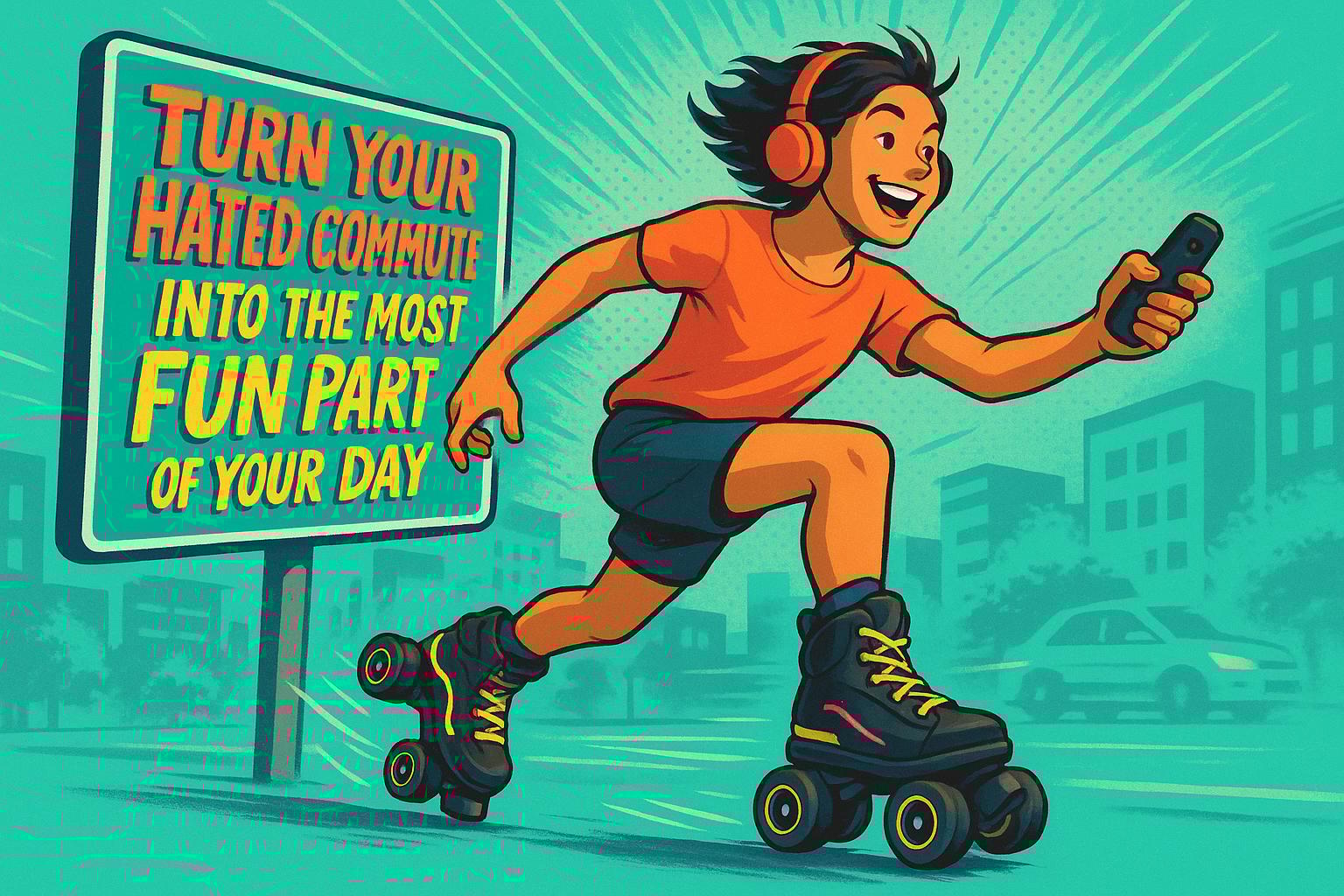
Urban commuters often face the "last mile" problem: that inconvenient distance between public transit stops and their final destination. Electric roller skates provide a smart, efficient way to bridge this gap.
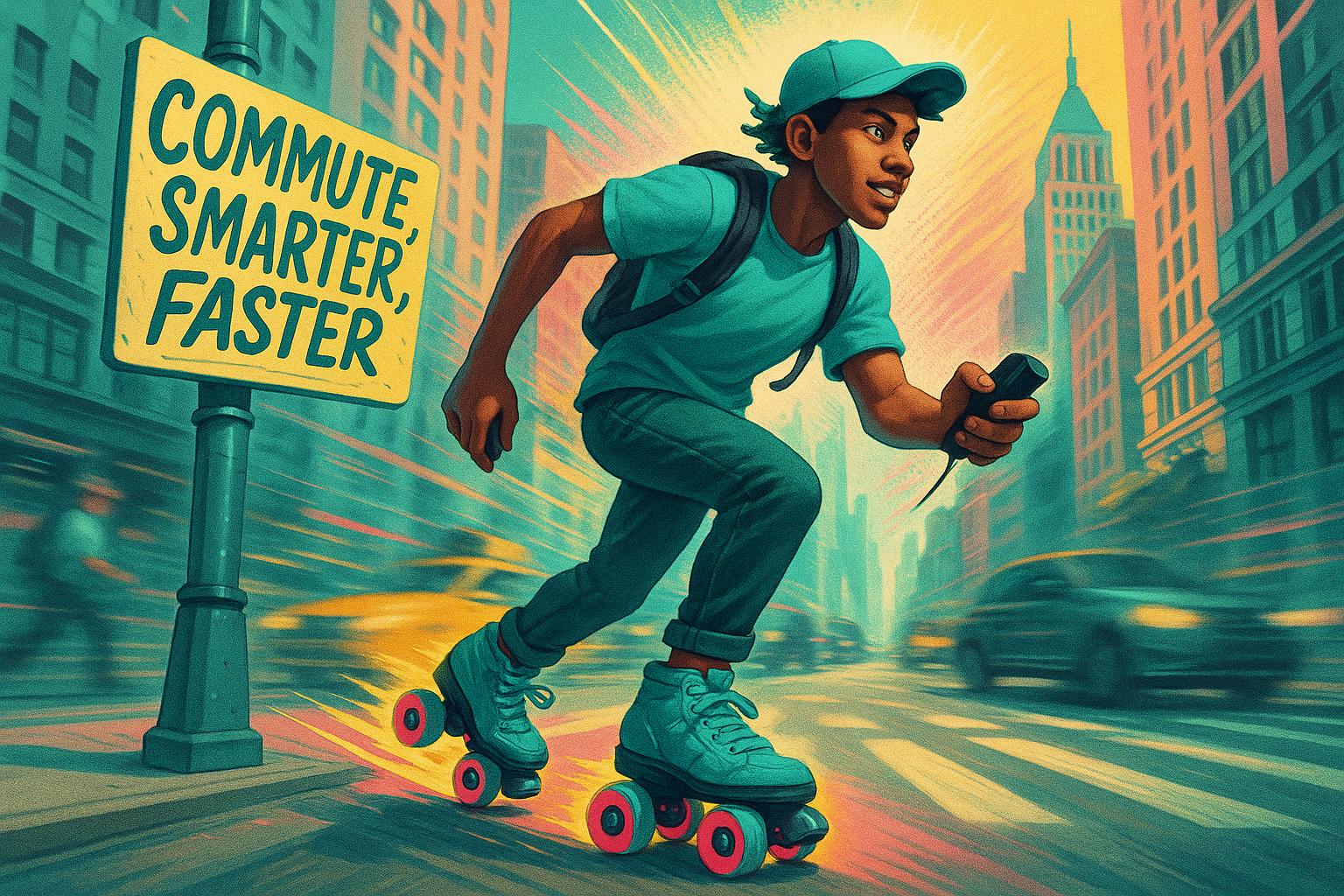
Picture this: you step off the L train in downtown Chicago, slip on your Wheelfeet skates, and glide to your office in just a few minutes. Their compact design makes them easy to carry and store once you arrive - no bulky equipment to worry about.
With their lightweight build, these skates fit seamlessly into multi-modal commutes. Whether you’re hopping on a bus, train, or even a rideshare, they’re easy to bring along. Features like motorized assistance and smart braking enhance safety and convenience, while speeds of up to 15 mph make them a quick and practical choice for short urban trips.
But their usefulness doesn’t stop at commuting - they open up new possibilities for leisure and exploration.
Leisure Activities and City Exploration
Electric roller skates are also perfect for recreational activities and exploring the city. Their adjustable speeds and portable design let riders move through neighborhoods and parks in a way that’s faster than walking but still keeps them connected to their surroundings. With a range of up to 9 miles on a single charge, you can enjoy extended rides without worrying about running out of battery.
This makes them a great option for anyone looking to see more of their city, whether it’s a weekend outing or a spontaneous adventure.
Rental and Sharing Programs
While electric scooters and bikes are staples of rental and sharing programs, electric roller skates haven’t quite made the leap yet. One of the challenges is accommodating different foot sizes, which makes personal ownership the current go-to option. For now, Wheelfeet electric roller skates are available for $599.00 as a one-time purchase.
However, as the technology evolves and interest grows, it’s possible we’ll see innovative rental or sharing models emerge, offering even more ways for people to experience the convenience and fun of electric roller skates.
Infrastructure and Regulation Challenges
Urban design has long prioritized cars, leaving both infrastructure and regulations playing catch-up with the rise of electric roller skates. This mismatch highlights the need to address both physical and legal gaps to support this emerging mode of transportation.
City Infrastructure Requirements
For electric roller skates to be safe and practical, cities need to step up their infrastructure game. Smooth, well-maintained surfaces and dedicated pathways are essential to minimize rider-pedestrian conflicts. These changes call for a shift in urban planning, moving away from car-dominated layouts to designs that accommodate diverse modes of personal transportation.
Safety Rules and Legal Standards
The rules governing electric roller skates are still a work in progress. Local governments are grappling with how to classify these devices and set appropriate guidelines, resulting in a patchwork of regulations. Riders often face inconsistent rules on helmet use, speed limits, and liability, leading to confusion and uneven enforcement. A standardized regulatory framework - complete with clear categories, designated riding zones, and consistent speed limits - could help ensure safety without stifling innovation. In the meantime, riders should familiarize themselves with local laws and prioritize caution when navigating urban areas.
What's Next for Personal Urban Transport
Urban mobility is shifting toward multi-modal networks that combine various modes of transportation. Electric roller skates fit seamlessly into this evolving system, where commuters blend trains, buses, and personal electric devices to navigate their journeys more efficiently.
The appeal of owning micro-mobility devices is on the rise. This growing trend reflects not only trust in the technology but also a demand for personalized, on-demand transportation solutions.
Advancements in AI and IoT are transforming how these devices operate in cities. These technologies are enabling smarter transportation networks by improving traffic flow, enhancing rider safety, and even predicting maintenance needs. Such innovations are paving the way for increased consumer adoption and more reliable urban mobility options.
Electric vehicle adoption is climbing rapidly, with registrations expected to hit 18.1 million by 2025. In Q3 2024 alone, over 20% of new light-duty vehicles sold were hybrid or electric, and 40% of drivers expressed plans to switch to an EV. This shift toward eco-friendly transportation extends beyond cars, reflecting broader interest in sustainable personal mobility devices.
Mobility-as-a-Service (MaaS) platforms are revolutionizing how people access transportation. These platforms bring together booking, payments, and route planning for public transit, micro-mobility, and ride-hailing services into user-friendly apps. Electric roller skates are a natural fit for these integrated systems, making it easier for commuters to combine multiple modes of transport into a single, seamless trip.
Cities are also reimagining their infrastructure to support this diverse transit ecosystem. Urban planners are optimizing road networks and heavily investing in public transit systems that accommodate a variety of transport modes. This shift away from car-focused design not only supports sustainability but also opens the door for electric roller skates to move beyond recreational use and become a legitimate commuting option.
Environmental concerns are driving investments in zero-emission transportation to help reduce urban carbon footprints. Electric roller skates align perfectly with these goals, offering an emissions-free solution for short trips that might otherwise rely on cars or rideshares.
With advancements in technology, infrastructure improvements, and a growing emphasis on sustainability, electric roller skates are no longer just a novelty. They’re becoming a vital piece of the urban mobility puzzle, filling gaps that traditional transportation options can’t efficiently address.
FAQs
How do electric roller skates help with the 'last-mile problem' in urban commuting?
Electric roller skates address the "last-mile problem" by offering a fast and environmentally friendly way to travel short distances - those stretches that feel too far to walk but not worth driving or hopping on public transit.
Their compact, lightweight design makes them easy to carry and store, which is ideal for city dwellers and commuters. Powered by electricity, they deliver a smooth ride that saves both time and energy, all while helping to lower your carbon footprint. These qualities make electric roller skates a smart and sustainable option for getting around urban areas with ease.
What technological advancements have made electric roller skates a viable choice for urban commuters?
Electric roller skates have become a realistic choice for city commuting, largely due to advancements in e-mobility technology. These improvements include lighter, more efficient batteries that extend range, motors that deliver smoother rides, and upgraded safety features like enhanced braking systems and better stability.
Modern designs also focus on ease of use, offering intuitive controls and ergonomic features that make them accessible even for first-time users. Their compact size and portability make them an ideal option for weaving through crowded city streets, all while supporting a greener way to get around.
What changes in infrastructure and regulations are needed to make electric roller skates a practical option for urban commuting?
Cities aiming to make electric roller skates a practical option for urban commuting need to prioritize infrastructure improvements and regulatory updates. This means setting up safe, accessible spaces like designated lanes or shared paths to ensure these skates can coexist smoothly with other transportation methods.
Equally important is the development of a reliable network of charging stations in convenient spots, such as transit hubs or popular public areas. On the regulatory front, establishing clear rules - covering speed limits, required safety gear, and where these skates are permitted (like sidewalks or bike lanes) - is crucial. These steps would enhance both user safety and public acceptance, paving the way for wider adoption.

Leave a comment
All comments are moderated before being published.
This site is protected by hCaptcha and the hCaptcha Privacy Policy and Terms of Service apply.