
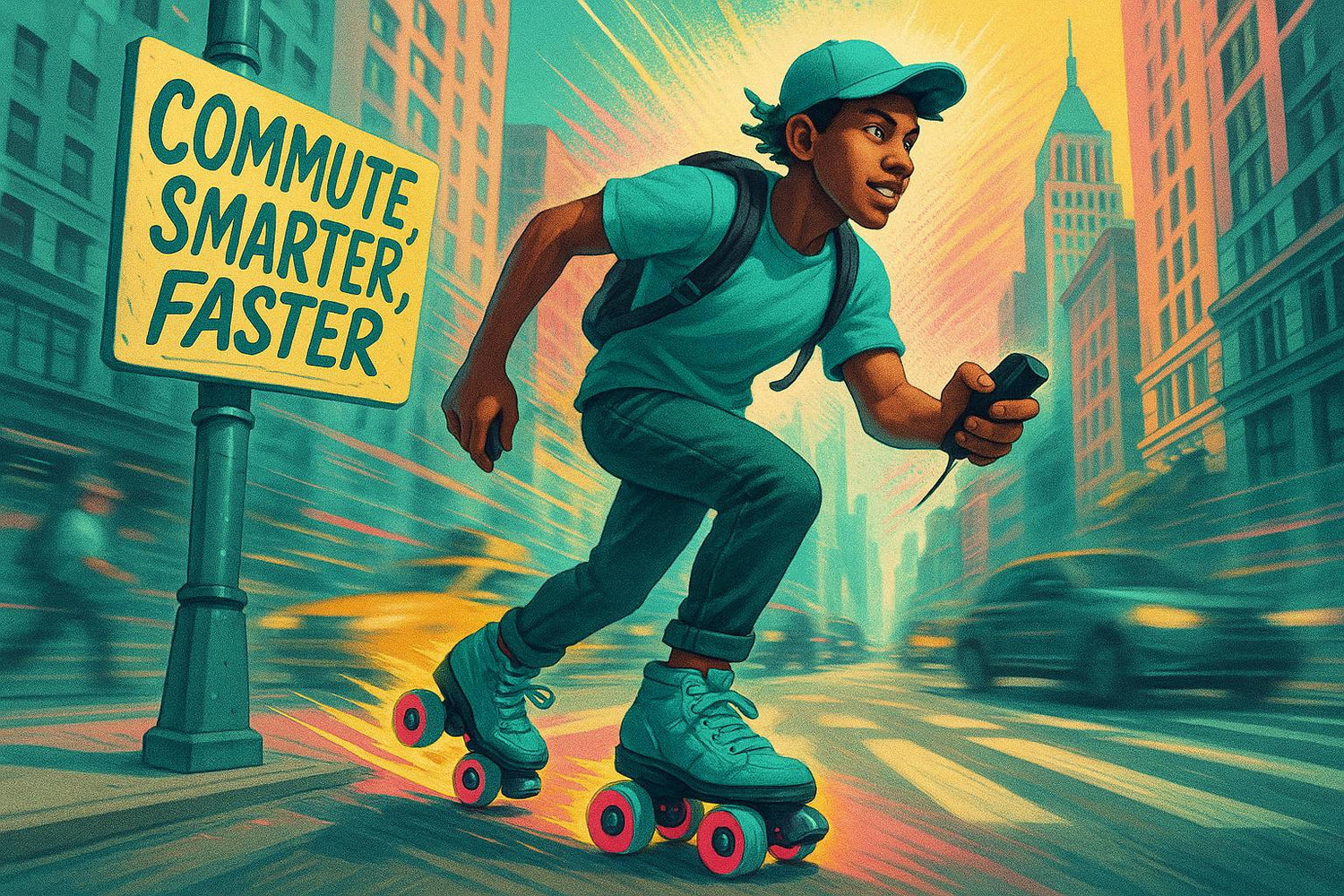
Navigating New York City can be challenging with traffic jams, subway delays, and crowded streets. Electric roller skates, like Wheelfeet's model, offer a faster and more flexible way to commute. These skates reach speeds of up to 15 mph, cover 9 miles on a single charge, and are easy to carry or store. They allow you to bypass traffic, use bike lanes, and pair with public transit for a smoother commute.
Key Features to Look For:
- Lightweight design for portability.
- Adjustable speed settings for varied environments.
- Regenerative braking for smooth stops and battery efficiency.
- Durable frames and long-lasting wheels.
Safety Tips:
- Wear a helmet, wrist guards, and knee pads.
- Stay visible with reflective gear or lights.
- Practice safe techniques like controlled stops and obstacle navigation.
Route Planning:
- Use bike paths, greenways, and smooth surfaces like the Central Park Loop or Hudson River Park.
- Leverage apps like Google Maps (biking mode) or Traillink for micromobility-friendly routes.
Electric roller skates can transform your NYC commute, offering a practical alternative to traditional transportation. With proper gear, maintenance, and awareness of city regulations, you can enjoy a faster, more efficient way to get around.
Are Electric Roller Skates Practical? (Airtrick A1 Pro)
Selecting Electric Roller Skates for NYC Commuting
Choose skates that seamlessly meet the challenges of city life while keeping your daily routine efficient.
Key Features for City Commuting
When navigating New York City, certain features can make all the difference in your skating experience:
- Lightweight Design: Essential for carrying your skates up stairs or storing them in tight spaces.
- Adjustable Speed Settings: These let you adapt to your environment - accelerate on open streets and slow down in crowded areas.
- Regenerative Braking System: Ensures smooth stops while recharging the battery, adding convenience and efficiency.
- Battery Range: A 9-mile range is sufficient for most NYC commutes.
- Durability: A sturdy aluminum frame and high-quality wheels are necessary to handle the wear and tear of city streets.
Why Wheelfeet Electric Roller Skates Stand Out
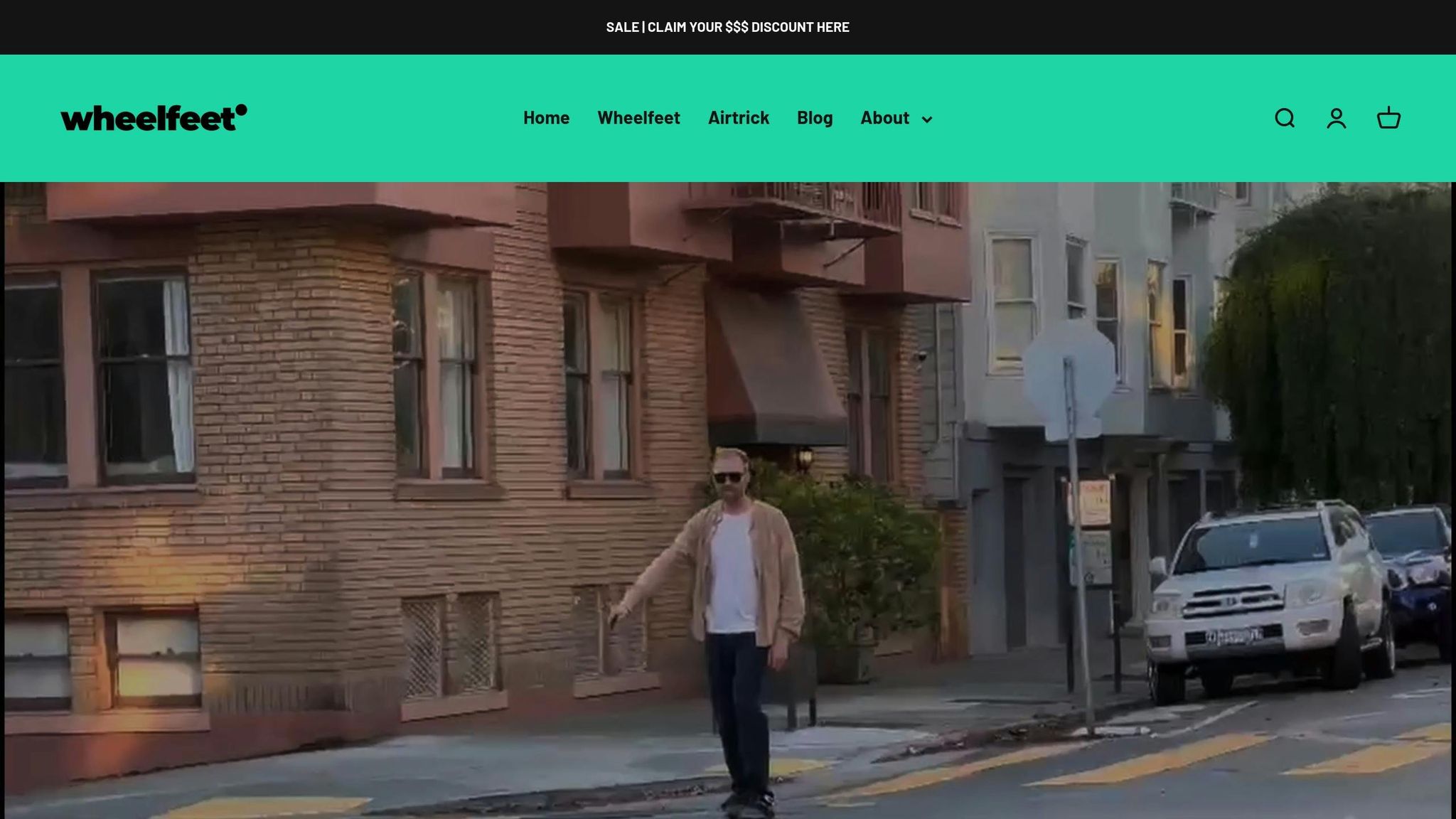
Wheelfeet Electric Roller Skates are crafted specifically for urban commuters. With a top speed of 15 mph, these skates allow you to keep pace with city traffic while maintaining control and safety.
Their 9-mile battery range is well-suited for typical NYC routes, providing reliable performance without the need for frequent charging. This makes them an excellent choice for navigating the city's diverse neighborhoods.
The skates feature an adjustable design that fits US shoe sizes 6-13, offering comfort for a wide range of users, whether you're using them solo or sharing with others.
A wireless remote control simplifies operation, giving you quick access to speed adjustments and braking - perfect for responding to the city's ever-changing conditions.
For added versatility, the dual-mode functionality allows you to switch to manual skating when the battery runs low or in areas where motorized devices are restricted.
Built with a durable aluminum frame and tough wheels, these skates are designed to endure the daily grind of urban commuting.
At $599.00, Wheelfeet Electric Roller Skates provide a comprehensive solution for those looking for a flexible and efficient way to get around New York City.
Once you've chosen the right skates, the next step is mastering safety techniques to navigate the city's streets with confidence.
Safe Skating Techniques for Urban Environments
Navigating the streets of NYC on an electric skateboard can be thrilling, but it’s also challenging. By mastering the basics and staying alert, you can make your urban skating experience both efficient and safe.
Core Skating Skills
A solid foundation in skating technique is key for handling the unpredictable nature of urban streets. Start with a slightly bent-knee stance, keeping your weight centered and your arms relaxed - this helps you maintain balance, even on uneven pavement.
When it comes to turning, shift your weight gently and lean into the direction you want to go, keeping your core engaged. Start practicing wide, gradual turns in low-traffic areas like bike paths before moving on to sharper angles in busier streets. Make sure to practice turning in both directions until it feels second nature; this balance is crucial for avoiding obstacles quickly.
Learning a stopping technique is just as important. Practice slowing down gradually to maintain control. For emergencies, a T-stop - dragging one foot behind you - can be helpful at lower speeds. Spend time in a safe area practicing stops at different speeds until you can come to a smooth halt without wobbling.
Controlling your acceleration is another critical skill. Sudden bursts of speed can throw you off balance or surprise pedestrians. Always start slow in crowded or tight spaces, saving higher speeds for open areas where you have plenty of room to maneuver.
For navigating obstacles, keep your eyes on the road ahead rather than staring at your feet. Spot hazards early and adjust your weight to roll over small bumps. For larger obstacles, slow down and step over them instead of trying to skate through. Pairing these skills with the right protective gear will make your rides safer and more enjoyable.
Safety Gear and Awareness
Even with flawless technique, safety gear is non-negotiable when skating in an urban environment.
A helmet is a must. Choose one that’s CPSC-certified, fits snugly, and stays in place without sliding around. Many commuters prefer lightweight, low-profile designs for daily use. And remember, replace your helmet after any significant impact - it’s not worth the risk.
Wrist guards, knee pads, and elbow pads are your next line of defense. Falls happen, and these pads help absorb the impact, reducing the risk of serious injuries. Since wrist injuries are especially common - thanks to the instinct to break a fall with your hands - make sure your gear is flexible enough to allow natural movement while still providing protection. Test everything out before your first ride to ensure it’s comfortable and doesn’t restrict you.
Being visible is critical when sharing the streets with cars, bikes, and pedestrians. Wear bright or reflective clothing, especially during early morning or evening commutes. Adding LED lights to your helmet or backpack can make you even easier to spot, which is especially important during the darker winter months.
Stay alert to your surroundings. Urban streets are full of surprises - car doors can swing open, pedestrians might step into your path, and cyclists can make sudden turns. If you like listening to music while skating, use only one earbud or keep the volume low so you can still hear traffic around you. In high-traffic areas like Manhattan, pay extra attention at intersections where multiple traffic flows meet.
Making eye contact with drivers and pedestrians is a simple but effective way to ensure mutual awareness. Before crossing in front of a car, confirm that the driver sees you. A quick nod or a hand signal can help communicate your intentions and prevent misunderstandings.
Weather conditions can make or break your commute. Wet streets reduce traction, making it harder to stop, so it’s best to avoid skating during or right after rain. In the fall, watch out for slick leaves, and in winter, even small patches of ice can be dangerous. Always check the forecast before heading out and adjust your plans if conditions seem risky.
Finally, stay mentally focused throughout your ride. Fatigue, distractions, or rushing can lead to mistakes. If you’re feeling tired, stressed, or overwhelmed, consider taking public transportation instead. Your safety should always come first - it’s better to arrive a little later than to risk an accident.
Route Planning for Faster Commutes
Choosing the right route can make all the difference when it comes to speed and energy efficiency on electric roller skates. Smooth pavement and minimal interruptions help save time and energy, while poorly planned routes with potholes or heavy congestion can slow you down and increase the risk of accidents. Modern navigation tools play a key role in finding the best paths, offering real-time updates for smarter route choices.
Finding the Best Routes for Skating
For quicker commutes in NYC, it’s essential to stick to routes with smooth surfaces, dedicated lanes, and predictable traffic patterns. Prioritizing bike paths, park loops, and greenways over busy streets can make your journey safer and more efficient.
Central Park Loop stands out as a top choice for skaters in Manhattan’s Upper West or East Side. The 6-mile loop offers a variety of options for different speeds and workout levels. As of spring 2025, recent resurfacing has left the asphalt in excellent condition, particularly along West 96th Street, the lower end of the park, and up to East 90th Street. With motor vehicles banned, the loop provides a safer environment for skaters. The big loop includes hills like Cat Hill, Great Hill, and Lasker Hill, along with straight sections where you can gain speed. During rush hours, it’s best to stick to the center lane and follow the counter-clockwise flow, as the left-most lane is reserved for pedestrians and joggers. However, the lower loop can get crowded and may have horse droppings from the carriages that still operate in the park. If skating after dark, bring proper lighting, as some areas, like the 102nd Street cutoff loop, have uneven surfaces and inconsistent lighting after sunset.
The West Side Bikepath and Hudson River Park also offer a fantastic route, stretching from Battery Park to Riverside Park. These paths feature smooth, well-lit pavement, making them ideal for both morning and evening commutes.
When planning your route, look for paths labeled as "greenways" or "park drives" within NYC parks. These are designed for micromobility and typically have less vehicle traffic. Under New York State law, inline skaters share the same rights as bicyclists, so use designated lanes or stay as far right as possible when bike lanes aren’t available.
Surface quality is a critical factor. Smooth asphalt or concrete is ideal for electric roller skates, while cracked or uneven surfaces can slow you down and increase wear on your skates. If you’re trying a new route, test it during off-peak hours to familiarize yourself with the terrain and traffic patterns. Also, keep in mind that the time of day affects congestion - routes that are clear in the early morning might be crowded with tourists or office workers later.
Navigation Apps and Tools
Technology can make route planning even easier by helping you identify the safest and fastest paths for skating. While most navigation apps are designed for cars or pedestrians, a few tools cater specifically to micromobility needs.
Traillink.com is a great resource for finding inline skating trails across New York. It offers detailed information about surface types, trail lengths, and user reviews. These reviews often mention recent maintenance issues or other concerns that might not be included in official descriptions, so it’s worth taking the time to read them before trying a new route.
Standard apps like Google Maps can also be useful when switched to "bicycling" mode. While not perfect for skating, this mode highlights bike lanes and paths that are generally better suited than car-heavy streets. Pay attention to elevation changes on the map, as steep hills can drain your skate’s battery faster and require more effort, even with electric assistance.
Fitness tracking apps can help you discover popular, well-maintained routes. Heat maps showing where cyclists and skaters frequently travel can point you toward paths that are smooth and community-approved.
Keep an eye on your battery life, especially on hilly or rough routes, as these conditions can drain power more quickly. Most electric roller skates display battery levels, so plan accordingly. Weather is another factor to consider - rain can make surfaces slippery, and extreme heat can impact battery performance. Some navigation apps now include real-time weather overlays to help you avoid hazardous conditions.
NYC’s 2025 e-bike speed limit regulations may also affect traffic flow and safety on shared paths. Stay informed about these changes, as they can influence how crowded bike lanes become and how other users behave. Following local skating groups on social media is a good way to stay updated on route conditions, temporary closures, and new regulations.
Finally, document your effective routes for future reference. A path that works well on a sunny Tuesday morning might not be ideal on a rainy Friday evening. Having backup options ready ensures you won’t waste time scrambling for alternatives when your primary route isn’t an option.
sbb-itb-bf837b9
Adding Electric Roller Skates to Your Daily Commute
Incorporating electric roller skates into your daily routine is about more than just mastering how to ride. In a bustling city like NYC, keeping your skates in top shape and using them wisely can make all the difference. Regular maintenance, smart storage, and knowing how to combine them with public transit can help ensure smooth commutes and extend the life of your skates.
Regular Maintenance Checks
Taking care of your skates is essential for reliable performance in an urban environment. A quick inspection before each ride can prevent unexpected issues and keep you safe.
Start with the wheels. Every few days, check for flat spots, cracks, or uneven wear that could throw off your balance. NYC's rough streets and occasional debris can wear them down faster, so be ready to rotate or replace them as needed.
Your braking system is another critical area to monitor. Test the brakes by rolling slowly and applying them to ensure they respond immediately. For skates with regenerative braking, like Wheelfeet models, the braking should feel smooth and consistent. If you notice any delays, strange noises, or reduced stopping power, address it immediately.
The battery is the heart of your skates, directly affecting range and reliability. If your usual 9-mile range starts shrinking noticeably, it could signal battery wear. Keep an eye on its performance and charge it properly.
Check the frame and mounting points weekly, especially around the motor housing. Vibrations from uneven streets can loosen screws over time, so having a small screwdriver handy is a smart move for quick adjustments.
Don’t overlook the remote control. If it starts lagging or feels less responsive, replace the batteries and clean the buttons and ports to ensure smooth operation.
Consistent maintenance pairs perfectly with proper storage and charging habits.
Proper Storage and Charging
How and where you store your electric roller skates can have a big impact on their performance and lifespan, especially in NYC's tight living spaces.
Keep your skates in a dry, temperature-controlled spot. Avoid damp environments or places with extreme temperatures. In a small apartment, a closet or under-bed storage can work well, as long as it stays dry.
Charge your skates overnight for a full battery in the morning, but avoid overcharging, as this can degrade the battery over time.
If you’re storing your skates at work, bring them inside rather than leaving them locked up outside. Many offices have lockers or secure spaces for personal items, which can help protect your investment.
To keep your skates clean, wipe down the frame with a damp cloth and use a brush to remove dirt from the wheels. This simple habit can prevent grime from building up and affecting performance.
Using Skates with Public Transportation
Once your skates are well-maintained and stored, they can easily become a key part of your multi-modal commute. Electric roller skates are perfect for bridging the "last mile" between public transit stops and your destination, making NYC’s subway, bus, and ferry systems even more convenient.
The subway is particularly skate-friendly. Electric skates are lightweight and portable, so you can take them off, carry them by hand or in a bag, and pass through turnstiles with ease. This flexibility can save time and make your commute more efficient.
MTA buses also work well with skates. Simply carry your skates on board, store them under your seat or on your lap, and you’re good to go.
If you’re using the NYC Ferry, you’ll find it’s another great option. Ferries allow personal mobility devices, and the spacious outdoor decks make it easy to manage your skates. A combined commute - skating to the ferry terminal, cruising across the river, and skating to your final destination - can be both practical and enjoyable.
Switching between skating and public transit does take a bit of practice. Give yourself extra time at transfer points to comfortably put on or take off your skates.
Lastly, keep your MetroCard or OMNY payment method within easy reach to simplify your journey. A lanyard or contactless payment through your phone can make busy transfers much smoother.
NYC Rules and Commuting Etiquette
Navigating New York City with electric skates means understanding the rules and respecting the shared spaces around you. These guidelines build on earlier tips for safety and maintenance, helping you enjoy a smooth, hassle-free commute.
NYC Regulations for Electric Skates
Once your skates are in top shape, it’s crucial to familiarize yourself with NYC’s specific rules for riding. Electric skates are treated like motorized personal devices, so knowing where and how to ride can save you from fines and potential dangers.
- Bike lanes: These are your go-to paths. They keep you separated from pedestrians, and protected bike lanes with barriers offer an even safer, smoother experience.
- Sidewalks: Riding on sidewalks is generally a no-go, especially in busy areas. NYC prioritizes pedestrian safety, and skating here could lead to fines. In crowded spots, it’s best to carry your skates instead.
- Parks: Rules vary by park. For instance, Central Park allows skating on certain paths, but other parks may restrict motorized devices entirely or limit their use to specific times or areas. Always check local signage.
- Crosswalks and intersections: Treat these like a cyclist would. Follow traffic signals, and when crossing streets, slow down or dismount if the area is crowded with pedestrians.
Breaking these rules can lead to tickets or increased fines, especially for reckless behavior. Ride responsibly to avoid unnecessary penalties.
Sharing Space with Others
Beyond legal compliance, being considerate of others ensures a safer and more pleasant commute for everyone.
- Pedestrians come first: They always have the right of way. When navigating crowded areas, reduce your speed, give a friendly heads-up like “on your left” or “excuse me,” and be ready to stop if needed.
- Cyclists in bike lanes: Share the space respectfully. Stick to the right to let faster riders pass on the left. If you need to pass someone, check behind you first and give plenty of room, avoiding sudden movements.
- Delivery workers on e-bikes: These riders are common in NYC bike lanes. They tend to move quickly and stop frequently, so keep extra space and anticipate their lane changes.
Stay mindful of parked vehicles to avoid “dooring” incidents, and make eye contact at intersections to ensure others see you. Even if you have the right of way, don’t assume everyone notices you.
If you’re skating with friends, ride single file in bike lanes. This keeps traffic flowing smoothly and prevents clogging the lane.
Lastly, adapt to weather conditions. Rain or slick surfaces can reduce grip and visibility, so slow down and maintain extra distance from others to stay safe.
Conclusion
Electric roller skates offer an exciting way to sidestep NYC's traffic and packed subways. They combine speed, convenience, and environmentally friendly travel, turning your daily commute into a smoother, more enjoyable journey. By choosing the right gear, learning safe skating techniques, planning smart routes, and staying informed about NYC's regulations, you can make your ride both efficient and hassle-free.
Take Wheelfeet Electric Roller Skates, for instance. Designed specifically for urban travel, they let you glide through bike lanes and avoid congestion with ease - all while keeping your environmental impact to a minimum. Their compact design means they’re easy to carry onto public transit or tuck away at work. Plus, with a Bluetooth-enabled mobile app, you can monitor battery life and adjust speed settings, giving you full control over your commute.
Whether you're commuting to Midtown, catching up with friends in Brooklyn, or running errands across the city, electric roller skates provide a faster, more flexible alternative to traditional transportation. With regular maintenance, respect for traffic rules, and mindfulness of others, this modern mode of transport can revolutionize the way you navigate the city.
FAQs
What makes electric roller skates a better choice for commuting in New York City?
Electric roller skates provide a quick and efficient way to zip through the bustling streets of New York City. Thanks to their sleek and compact design, you can maneuver through crowded sidewalks and bike lanes with ease, skipping traffic and cutting down on your commute time.
These skates aren’t just practical - they’re also lightweight and easy to carry, making them ideal for hopping on public transportation or bringing indoors. Perfect for short-to-medium city commutes, they fit right into the growing shift toward eco-conscious, personal transportation options. And let’s be honest - they add a splash of fun and a modern edge to your daily travels.
How can I stay safe while using electric roller skates in busy city areas?
Staying safe while zipping through crowded city streets on electric roller skates starts with gearing up properly. Make sure to wear a helmet, wrist guards, and knee pads - these aren’t optional; they’re your first line of defense. Before you even step out, take a moment to check your skates. Look for anything off - loose parts, worn wheels, or battery issues. A quick inspection can save you from a bad day.
Once you're on the move, keep your speed in check. In busy areas, slower is smarter. Stick to local traffic rules, and always stay aware of your surroundings. Watch out for pedestrians, cyclists, and cars, and keep a safe buffer between you and others. Staying alert and focused isn’t just about protecting yourself - it’s about making sure everyone around you stays safe, too.
What are the best routes and tips for commuting with electric roller skates in NYC?
If you're looking to speed up and add some fun to your NYC commute with electric roller skates, there are a few routes you should check out. Popular options include the West Side Bike Path, Hudson River Park, the East River Greenway, and the Central Park loop. These paths not only provide smooth, well-maintained surfaces but also offer beautiful views and help you steer clear of the city's busiest streets.
To make your journey even smoother, take some time to understand local traffic patterns and peak hours to dodge heavy congestion. Stick to designated bike lanes and shared paths whenever possible. And don’t forget the essentials: wear protective gear and follow traffic rules to keep yourself and others safe. With a little planning, commuting through NYC on electric roller skates can be a fast, enjoyable, and environmentally friendly way to get around!
Related Blog Posts
- The "Last-Mile" Problem: Why the End of Your Commute is the Slowest (And How to Fix It)
- Stop Waiting, Start Moving: How to Reclaim Lost Time in Your Daily Travel
- Public Transport vs. Personal Electric Vehicle: A Commuter's Cost & Time Analysis
- How to Turn Your Hated Commute into the Most Fun Part of Your Day

Leave a comment
All comments are moderated before being published.
This site is protected by hCaptcha and the hCaptcha Privacy Policy and Terms of Service apply.